Single Elimination vs. Double Elimination: Which Tournament Format Is Right for You?

Choosing the right tournament format can make or break your event. Whether you’re organizing an esports competition, a local basketball league, a chess championship, or an online gaming bracket, the structure you choose affects fairness, excitement, scheduling, and player satisfaction.
The debate around single vs. double elimination has been going on for years. Some organizers value speed and simplicity. Others prefer giving competitors a second chance. When comparing single elimination vs. double elimination, there’s no universal answer. It depends on your goals.
In this guide, we’ll break down double elimination vs. single elimination in practical terms. You’ll see how each format works, where each shines, and how to decide which one fits your event.
What Is Single Elimination?
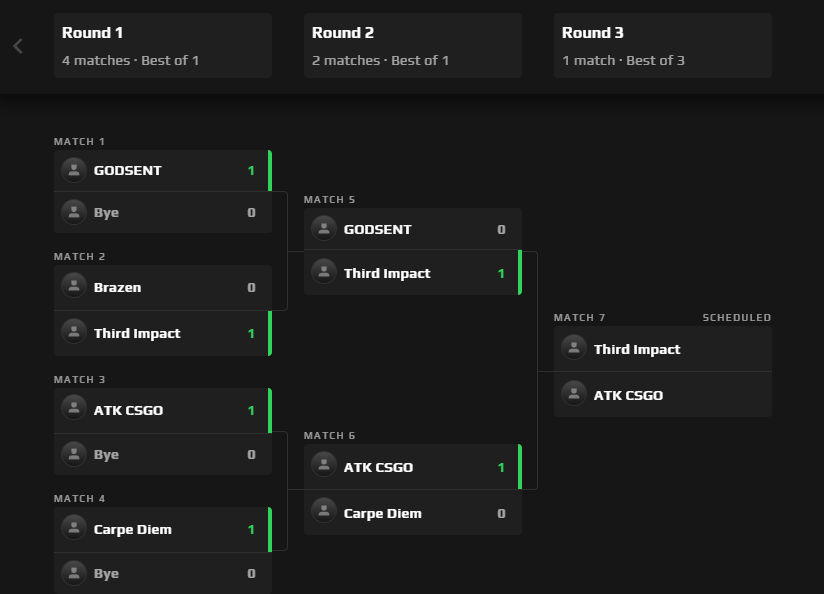
In a single-elimination tournament, a player or team is out as soon as they lose one match. Win and advance. Lose and go home. That’s it.
When people compare single vs. double elimination, single elimination is usually seen as the faster and more straightforward option.
Source: faceit.com
How It Works
All participants are placed into a bracket.
Each round cuts the field in half.
Winners move forward.
One loss eliminates a competitor.
The final match determines the champion.
If you’ve ever watched the NCAA basketball tournament or a knockout-style tennis event, you’ve seen single elimination in action.
When discussing single elimination vs. double elimination, single elimination stands out for its simplicity. There are no second chances, no lower brackets, and no complicated scheduling layers.
Pros of Single Elimination
Fast and efficient.
A big advantage in the single vs. double elimination discussion is speed. You can run a tournament with many participants in a short time.Simple to understand.
Spectators, players, and organizers all grasp the format instantly.Lower operational cost.
Fewer matches mean less venue time, fewer referees, and less admin work.High-stakes excitement.
Every match matters. That intensity is part of why many prefer single elimination vs. double elimination for high-profile events.
Cons of Single Elimination
One bad game ends it.
In the debate around double elimination vs. single elimination, critics argue that single elimination can feel harsh. A top seed could be knocked out early due to one mistake.Less playtime for participants.
If someone travels for your event and loses in round one, they’re done.May not crown the strongest competitor.
Sometimes bracket luck plays a role.
What Is Double Elimination?
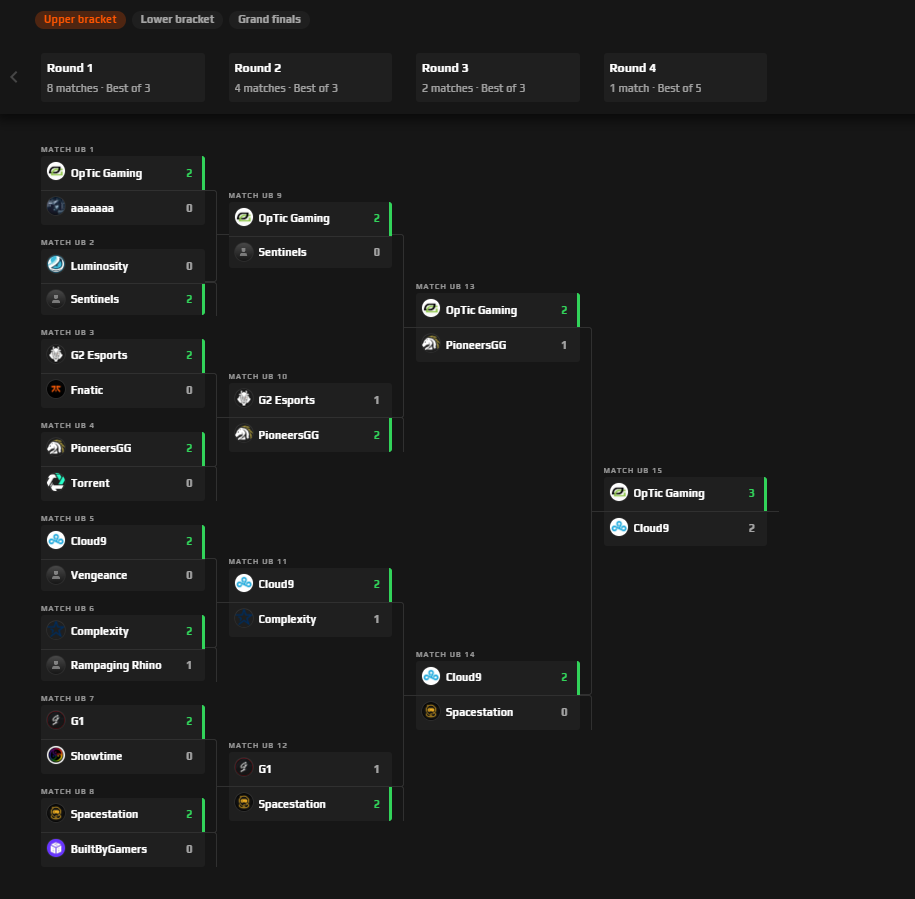
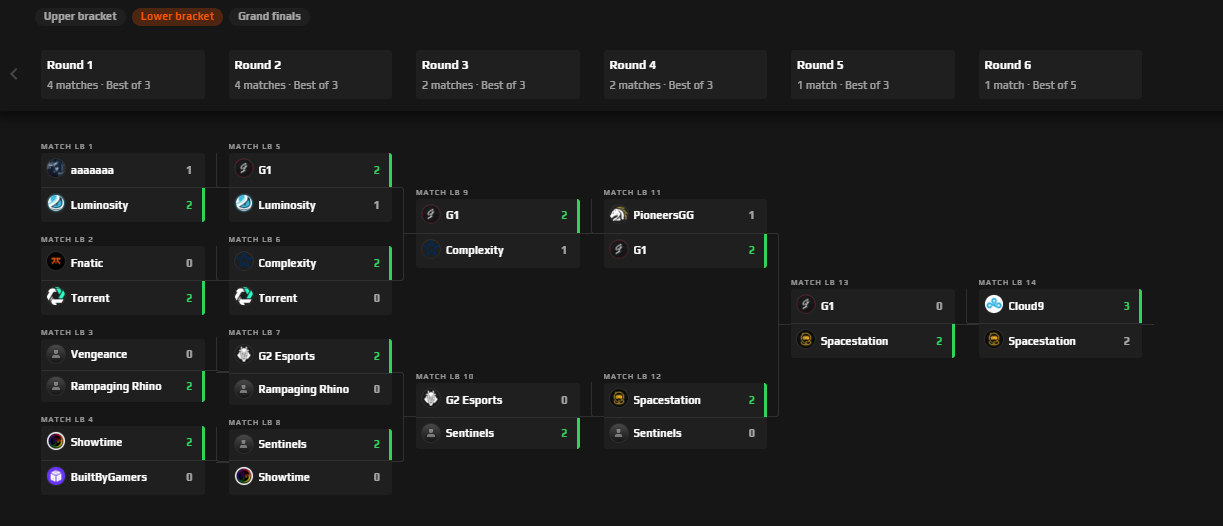
Double elimination gives participants a second life. Instead of being eliminated after one loss, they drop into a lower bracket. Only after losing twice are they out.
When comparing single elimination vs. double elimination, this second chance is the defining difference.
Source: faceit.com
How It Works
All participants start in the upper (winners) bracket.
If a competitor loses, they drop into the lower (losers) bracket.
A second loss eliminates them.
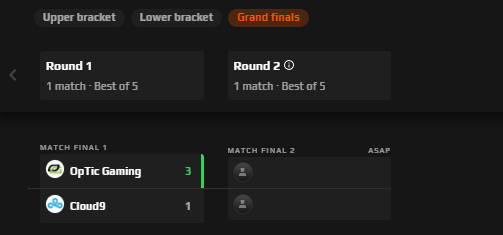
The winner of the lower bracket faces the winner of the upper bracket in the final.
Sometimes, the lower bracket finalist must win twice to claim the championship.
In the ongoing discussion of single vs. double elimination, double elimination is often seen as more forgiving and competitive.
Pros of Double Elimination
Fairer overall outcome.
Many argue in the double elimination vs. single elimination debate that double elimination better identifies the strongest competitor.More matches for everyone.
Players get at least two games.Redemption storylines.
A team can lose early and fight back through the lower bracket.Better seeding protection.
Strong teams aren’t punished as heavily for one upset.
Cons of Double Elimination
Longer schedule.
In comparing single elimination vs. double elimination, time is the biggest trade-off.More complex logistics.
Managing two brackets requires careful coordination.Higher costs.
More matches mean more resources.
Single vs. Double Elimination: Key Differences
When evaluating single vs. double elimination, it helps to look at direct comparisons.
1. Tournament Length
In the single elimination vs. double elimination conversation, single elimination is significantly shorter. For 16 players:
Single elimination: 15 matches
Double elimination: up to 30 matches
That’s a major difference. If time is limited, the double elimination vs. single elimination comparison clearly favors single elimination.
2. Fairness
Many organizers lean toward double elimination when fairness is a priority. In single vs. double elimination, single elimination can feel unforgiving. One mistake and you’re out. Double elimination softens that risk.
3. Player Experience
From a participant's perspective, single elimination vs. double elimination often comes down to guaranteed playtime. Double elimination gives players more value for their entry fee or travel costs.
4. Audience Engagement
In double elimination vs. single elimination, audience preference can vary. Single elimination creates immediate drama. Double elimination builds longer story arcs.
When to Choose Single Elimination
Let’s look at scenarios where single vs. double elimination clearly leans toward single elimination.
You Have Limited Time
If you’re running a weekend tournament with tight venue hours, single elimination vs. double elimination usually favors single elimination.
You Have a Large Field
For 64 or 128 participants, the double elimination vs. single elimination difference in match count becomes massive. Single elimination keeps things manageable.
You Want Maximum Tension
In high-profile championships, the single vs. double elimination format can increase pressure and excitement.
You Have Budget Constraints
When comparing single elimination vs. double elimination, single elimination is less resource-intensive.
When to Choose Double Elimination
Now, let’s flip the perspective in the double elimination vs. single elimination discussion.
Competitive Integrity Matters Most
If your goal is to crown the most deserving champion, single vs. double elimination often leans toward double elimination.
Players Expect Value
In paid-entry events, single elimination vs. double elimination decisions should consider player satisfaction.
Skill Gaps Are Small
In highly competitive scenes, one upset shouldn’t define the outcome. That’s where double elimination vs. single elimination becomes especially important.
Single vs. Double Elimination: Real-World Examples
Understanding single vs. double elimination becomes easier when you look at real applications.
March Madness uses single elimination.
Many esports events use double elimination.
Local rec leagues often prefer single elimination for simplicity.
In each case, the choice between single elimination vs. double elimination reflects the event’s priorities.
Scheduling Considerations
When planning your bracket, the double elimination vs. single elimination choice directly impacts logistics.
Match Volume
In single vs. double elimination, single elimination has predictable match flow. Double elimination requires careful spacing between upper and lower bracket rounds.
Venue Constraints
If you only have access to a space for one day, single elimination vs. double elimination becomes a practical decision.
Staff and Officials
More matches mean more referees, more scorekeepers, and more oversight. In the double elimination vs. single elimination comparison, this cost difference matters.
Competitive Psychology
There’s also a mental component in single vs. double elimination formats.
Pressure in Single Elimination
In single elimination vs. double elimination, single elimination forces peak performance every round. There’s no safety net.
Resilience in Double Elimination
In double elimination vs. single elimination, players must handle longer runs and potential bracket resets. Endurance becomes part of the challenge.
Hybrid Approaches
Some organizers mix tournament formats. For example:
Group stage round robin, then single elimination playoffs.
Double elimination until finals, then single elimination championship.
These hybrids try to balance single vs. double elimination strengths.
When debating single elimination vs. double elimination, hybrid models sometimes offer the best of both worlds.
Cost Breakdown
When comparing single vs. double elimination, single elimination:
Requires fewer total matches
Uses less venue time
Needs fewer officials
In single elimination vs. double elimination, these factors often make single elimination more affordable.
However, in the double elimination vs. single elimination comparison, higher entry fees may justify the added structure and fairness.
Participant Satisfaction
If you survey players after your event, their feedback often reflects your choice in the single vs. double elimination debate.
Single elimination may leave early-exit players disappointed. In single elimination vs. double elimination, double elimination tends to score higher in satisfaction for competitive communities.
Still, in fast-paced casual events, the double elimination vs. single elimination advantage might not matter as much.
Scaling Your Tournament
As your event grows, the single vs. double elimination choice becomes more strategic.
For small 8-player brackets, the difference between single elimination vs. double elimination is manageable.
For 64 players, the double elimination vs. single elimination gap widens significantly in terms of logistics.
Single vs. Double Elimination: Final Comparison
Here’s a simplified way to think about single vs. double elimination:
Speed → Single elimination
Fairness → Double elimination
Simplicity → Single elimination
More playtime → Double elimination
Budget-friendly → Single elimination
Competitive integrity → Double elimination
In every single elimination vs. double elimination decision, you’re balancing time, fairness, and complexity. And in every double elimination vs. single elimination comparison, the right answer depends on your event goals.
Run Your Tournament Without the Chaos
Once you’ve chosen between single and double elimination, the real challenge is running it smoothly.
That’s where MyCup.me helps.
MyCup is a modern, cloud-based tournament management platform built for sports organizers. You can create tournaments in minutes using a guided setup wizard, automatically generate matches, track results in real time, and get a professional, mobile-friendly tournament website instantly.
It supports 30+ sports and esports, including football, basketball, volleyball, tennis, Counter-Strike, Dota 2, chess, and more. You can run simple knockout brackets or build complex multi-stage competitions with custom scoring rules.
Instead of managing spreadsheets or fixing bracket mistakes, you:
Create your tournament
Add participants
Generate matches automatically
Enter results
Share your live tournament website
Whether you’re running single elimination or double elimination, MyCup saves time and keeps everything organized.
Conclusion
The debate over single vs. double elimination isn’t about which format is universally better. It’s about context.
If you need speed, simplicity, and high stakes, single elimination may be your best bet. If you want fairness, redemption arcs, and deeper competition, double elimination often wins in the single elimination vs. double elimination discussion.
When you step back and analyze double elimination vs. single elimination, the smartest organizers focus on their audience, resources, and long-term goals.
Whatever format you choose, make execution easy on yourself. With tools like MyCup.me, you can easily manage your tournament, whether you’re running single vs. double elimination, experimenting with single elimination vs. double elimination, or comparing double elimination vs. single elimination structures for your next big event.
FAQs
Is single-elimination fair?
Single-elimination can be fair, but it’s unforgiving. One loss eliminates a team, even if it was caused by a bad day, tough matchup, or small mistake. It rewards consistency under pressure, but it doesn’t always guarantee the strongest overall competitor wins. That’s why some organizers prefer double elimination for higher competitive integrity.
What are the 4 types of tournaments?
The four most common tournament formats are:
Single Elimination – One loss and you’re out.
Double Elimination – Two losses and you’re out.
Round Robin – Everyone plays everyone.
Swiss System – Players compete in multiple rounds against opponents with similar records.
Each format balances fairness, time, and complexity differently.
Why is double elimination so popular?
Double elimination is popular because it gives competitors a second chance. A single mistake doesn’t end a team’s run. This format reduces the impact of early upsets, creates stronger championship matchups, and keeps players engaged longer. It’s especially common in esports and competitive amateur events where fairness and playtime matter.