What Is a Round Robin Tournament? A Complete Guide

If you’ve ever organized a sports league, esports competition, school event, or local tournament, you’ve probably heard the term round robin tournament. It’s one of the most popular competition formats in the world because it gives every participant a fair chance to compete against multiple opponents instead of being eliminated after a single loss.
But many people still ask:
What is a round robin tournament?
How does round robin work?
What is the difference between a knockout bracket and a round robin format?
When should you use a round robin tournament bracket?
This guide breaks everything down in simple terms. By the end, you’ll understand exactly how a round robin tournament format works, when to use it, and how to organize one successfully.
What Is a Round Robin Tournament?
A round-robin tournament is a competition format in which every participant plays against every other participant at least once.
Instead of eliminating teams after a loss, all participants continue competing until the scheduled matches are complete. The winner is determined based on total points, wins, or standings at the end of the tournament.
In simple terms, the round-robin tournament means fairness through equal competition.
Source: leaguespot.com
For example:
In a 4-team tournament:
Team A plays B, C, and D
Team B plays A, C, and D
Team C plays A, B, and D
Team D plays A, B, and C
Every team gets the same number of matches.
This structure is widely used in:
Football leagues
Basketball groups
Volleyball competitions
Chess tournaments
Tennis group stages
Esports leagues
School competitions
The biggest advantage is that no team is eliminated early because of one bad game.
Round Robin Meaning in Sports
The round robin meaning in sports refers to a system where all competitors face each other in rotation.
Unlike elimination tournaments, where one loss can end your run, round robin systems reward consistency across several games.
That’s why major sporting events often use round robin stages before playoffs.
Examples include:
FIFA World Cup group stages
UEFA Champions League groups
Olympic volleyball pools
Chess championships
Many esports league systems
The format creates more balanced results because rankings are based on multiple performances instead of one single match.
How Does a Round Robin Tournament Work?
A common question is: how does a round robin tournament work?
The process is actually straightforward.
Step 1: Add Participants
Teams or players enter the tournament.
Example:
6 football teams
8 tennis players
10 esports squads
Step 2: Generate Matches
The system creates matches so every participant faces all others.
If there are:
4 teams → each team plays 3 matches
6 teams → each team plays 5 matches
10 teams → each team plays 9 matches
The total number of matches is calculated using this formula: n(n-1)/2
Where:
( n ) = number of participants
For example:
6 teams:
6 × 5 ÷ 2 = 15 matches
This is why larger round robin events can become time-consuming.
Step 3: Award Points
Most tournaments use a points system.
Common examples:
Result | Points |
Win | 3 |
Draw | 1 |
Loss | 0 |
Some competitions use different scoring systems depending on the sport.
Step 4: Rank Participants
At the end, standings are based on:
Total points
Wins
Goal difference
Head-to-head results
Sets won
Other tie-breakers
The participant with the best overall record wins the tournament.
Round Robin Tournament Example
To understand how round robin works, let’s look at a simple example.
Imagine a 4-team basketball tournament:
Eagles
Tigers
Sharks
Wolves
The schedule would look like this:
Match | Teams |
1 | Eagles vs Tigers |
2 | Sharks vs Wolves |
3 | Eagles vs Sharks |
4 | Tigers vs Wolves |
5 | Eagles vs Wolves |
6 | Tigers vs Sharks |
Each team plays 3 games.
After all matches are complete, standings are calculated.
Example standings:
Team | Wins | Losses | Points |
Eagles | 3 | 0 | 9 |
Sharks | 2 | 1 | 6 |
Tigers | 1 | 2 | 3 |
Wolves | 0 | 3 | 0 |
The Eagles win the tournament.
That’s the core idea behind the round robin tournament format.
Types of Round Robin Formats
There isn’t just one version of round robin competition.
Here are the most common structures.
Single Round Robin
In a single round robin:
Every participant plays every other participant once.
This is the most common format.
Example
With 8 teams:
Each team plays 7 matches.
Advantages:
Faster
Easier to schedule
Balanced competition
Disadvantages:
Fewer opportunities for rematches
Double Round Robin
In a double round robin:
Every participant plays every other participant twice.
Usually:
One home game
One away game
This is common in professional leagues.
Example
With 10 teams:
Each team plays 18 matches.
Advantages:
More accurate rankings
Reduces randomness
Disadvantages:
Longer tournament duration
Modified Round Robin
Some tournaments use hybrid systems.
For example:
Teams split into groups
Round robin played within each group
Top teams advance to playoffs
This combines fairness with manageable scheduling.
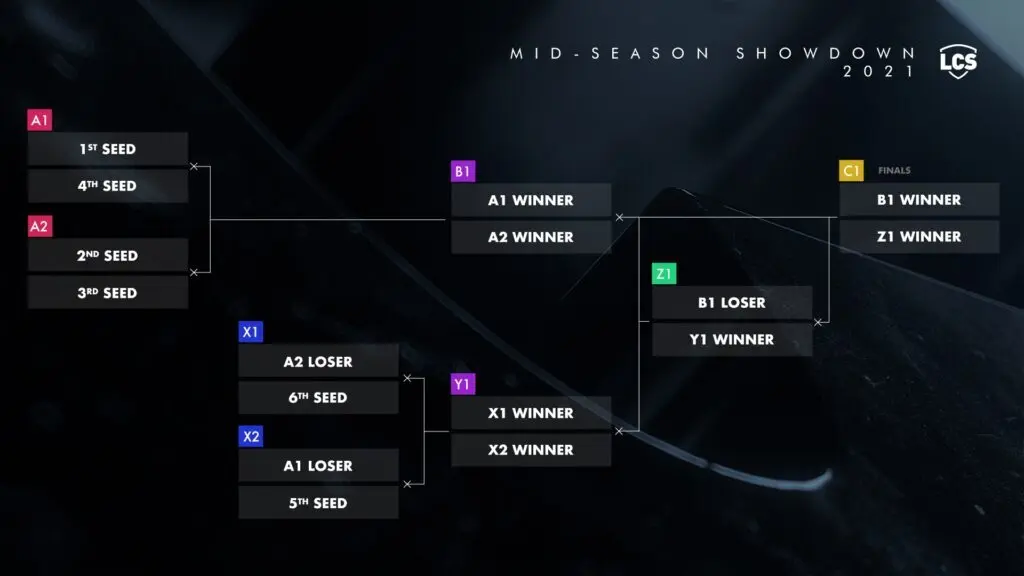
Round Robin Bracket Explained
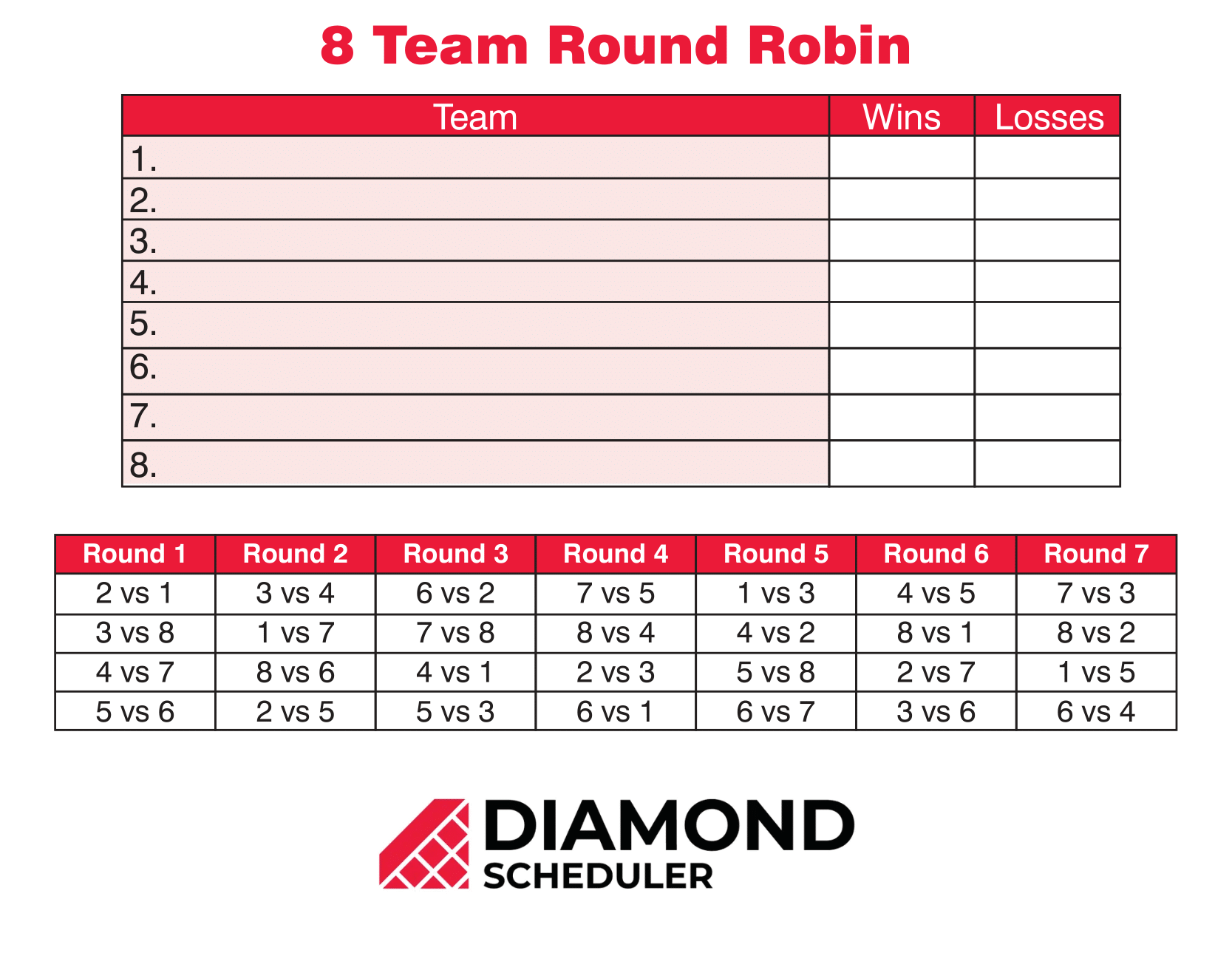
Source: diamondscheduler.jp
People often search for a round robin bracket or a round robin tournament bracket, but technically, round robin competitions do not always use traditional elimination brackets.
Instead, they usually use:
Schedules
Fixtures
Group tables
League standings
However, organizers still refer to these structures as brackets because they visually organize matches.
A round robin tournament bracket typically includes:
Match schedule
Participant rotation
Standings table
Points tracking
Some tournament systems also combine:
Round robin groups
Elimination playoffs
This is extremely common in esports and professional sports.
Advantages of a Round Robin Tournament
There are many reasons why organizers prefer round robin systems.
1. Fair Competition
Everyone plays the same number of games. One unlucky matchup does not eliminate a strong competitor immediately.
2. Better Rankings
Because teams play multiple opponents, standings usually reflect actual skill levels more accurately.
3. More Play Time
Participants enjoy more matches.
This is especially valuable in:
Youth sports
Amateur competitions
Casual tournaments
Community events
4. Increased Engagement
Fans, players, and spectators stay involved longer because nobody is eliminated early.
5. Ideal for Small Groups
Round robin works especially well with fewer teams.
Examples:
4-team groups
6-player tennis events
Small esports leagues
Disadvantages of Round Robin Tournaments
Despite the benefits, there are drawbacks.
1. More Matches
The biggest issue is scheduling.
As participant numbers grow, matches increase rapidly.
For example:
Teams | Matches |
4 | 6 |
6 | 15 |
8 | 28 |
10 | 45 |
16 | 120 |
Large tournaments become difficult to manage.
2. Longer Duration
Round robin competitions can take much longer than elimination tournaments.
This may require:
Multiple venues
Additional referees
Extended schedules
3. Dead Matches
Sometimes teams are mathematically eliminated before the final round, reducing excitement.
4. Tie Situations
Tied standings can create complicated tiebreaker scenarios.
Organizers need clear rules before the tournament begins.
Round Robin vs Elimination Tournaments
A lot of organizers compare round robin systems with knockout formats.
Here’s the difference.
Feature | Round Robin | Single Elimination |
Guaranteed Matches | Yes | No |
Fairness | High | Moderate |
Tournament Length | Longer | Shorter |
Number of Games | More | Fewer |
Upset Impact | Lower | Higher |
Scheduling Difficulty | Harder | Easier |
If your priority is fairness and participation, a round robin is usually the better choice.
If your priority is speed and simplicity, elimination brackets may work better.
Read also: The Complete Guide to the Single Elimination Tournament Format
When Should You Use a Round Robin Tournament?
The round robin format works best when:
You have a small to medium number of participants
You want accurate rankings
Participants expect multiple matches
Fairness matters more than speed
You have enough time and venue space
Common use cases include:
School competitions
Local leagues
Amateur sports
Esports qualifiers
Chess events
Group stages in major tournaments
How to Organize a Round Robin Tournament
Running a successful tournament requires planning.
Here are the key steps.
1. Determine the Number of Participants
Know exactly how many teams or players are competing.
This affects:
Match count
Scheduling
Venue requirements
2. Choose the Format
Decide between:
Single round robin
Double round robin
Group stage system
3. Create the Match Schedule
Avoid conflicts and uneven rest periods.
A good schedule ensures:
Balanced match timing
Fair recovery periods
Efficient venue usage
4. Set Scoring Rules
Clearly define:
Win points
Draw points
Tiebreakers
Forfeit rules
5. Track Results Carefully
Errors in standings can create major problems.
Use reliable tournament software whenever possible.
Round Robin Tournament Example for 6 Teams
Here’s another round robin tournament example.
Teams:
Lions
Falcons
Bears
Wolves
Hawks
Panthers
Each team plays 5 matches.
Total matches: 6(6−1)/2=15
Possible rounds:
Round 1
Lions vs Falcons
Bears vs Wolves
Hawks vs Panthers
Round 2
Lions vs Bears
Falcons vs Panthers
Wolves vs Hawks
And so on until every matchup is completed.
This creates balanced competition while ensuring all teams stay active throughout the tournament.
Sports That Commonly Use Round Robin Formats
Many sports rely heavily on round robin systems.
Football (Soccer)
League systems around the world use round robin scheduling.
Examples:
Premier League
La Liga
Bundesliga
Teams usually play home and away matches.
Basketball
Used in:
Group stages
International tournaments
School leagues
Volleyball
Pool play formats are often round robin-based.
Tennis
Many ATP Finals and youth competitions use round robin groups.
Chess
Chess tournaments frequently use round robin pairings to ensure fairness.
Esports
Games like:
Counter-Strike
Dota 2
League of Legends
Valorant
often use round robin group stages before playoffs.
The round robin tournament format is especially popular in esports because it:
Gives teams multiple chances
Reduces randomness
Creates more content for viewers
Produces fairer playoff qualification
Many esports events combine:
Round robin group stages
Double elimination playoffs
This hybrid system balances fairness and excitement.
Tips for Running a Better Round Robin Tournament
If you’re organizing one, these tips help avoid problems.
Use Tournament Software like MyCup.me
Manual spreadsheets become difficult quickly.
Automation helps with:
Match generation
Standings
Tiebreakers
Scheduling
Keep Rules Clear
Participants should understand:
Scoring systems
Tie-break rules
Match durations
Reporting procedures
Avoid Schedule Overload
Too many matches in one day can exhaust players and staff.
Publish Standings Live
Real-time updates improve engagement and transparency.
Run Your Round Robin Tournament Without the Headaches
Choosing the right format is only part of the challenge. Actually managing the tournament is where things often become stressful.
That’s where MyCup.me comes in.
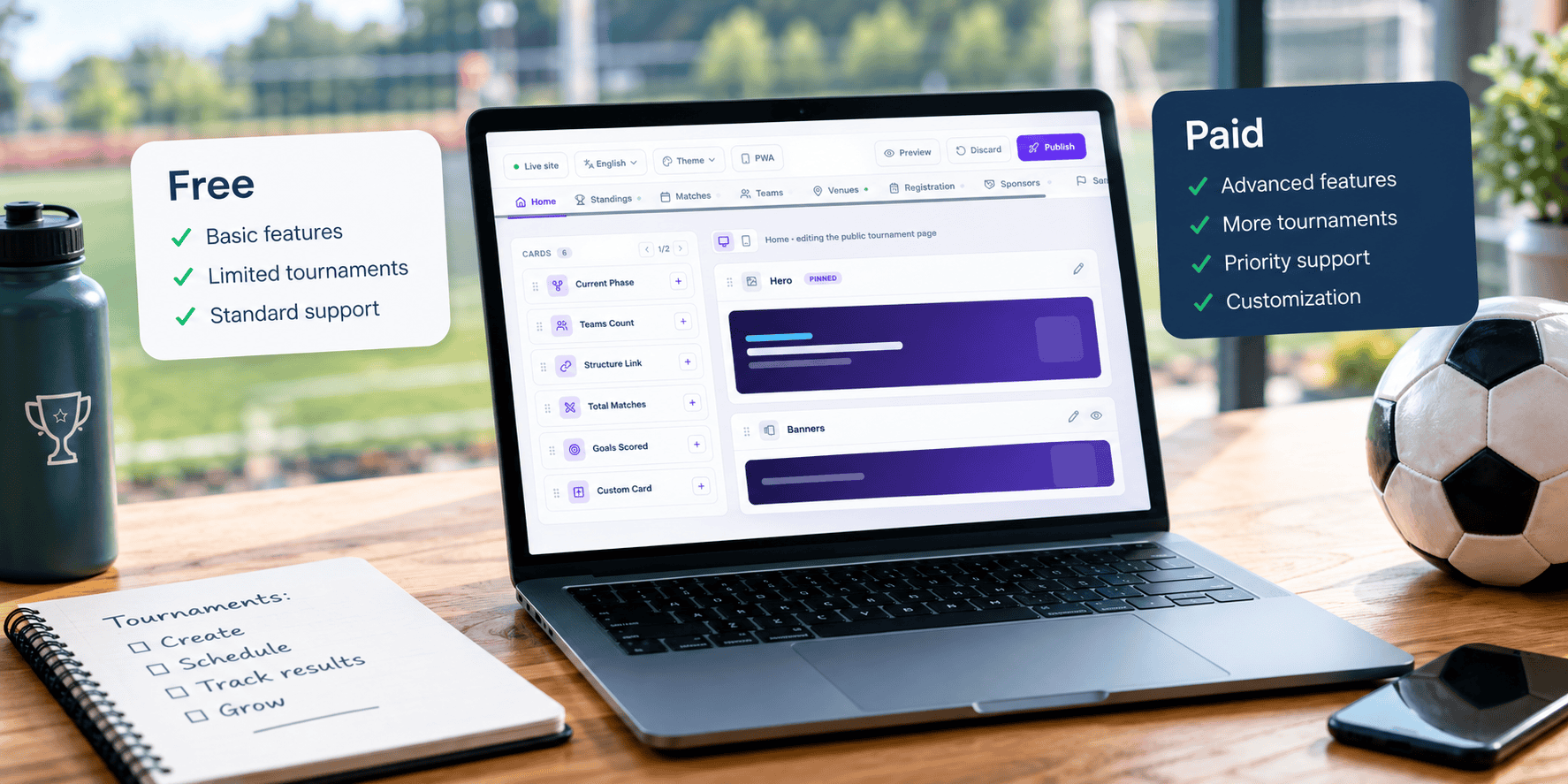
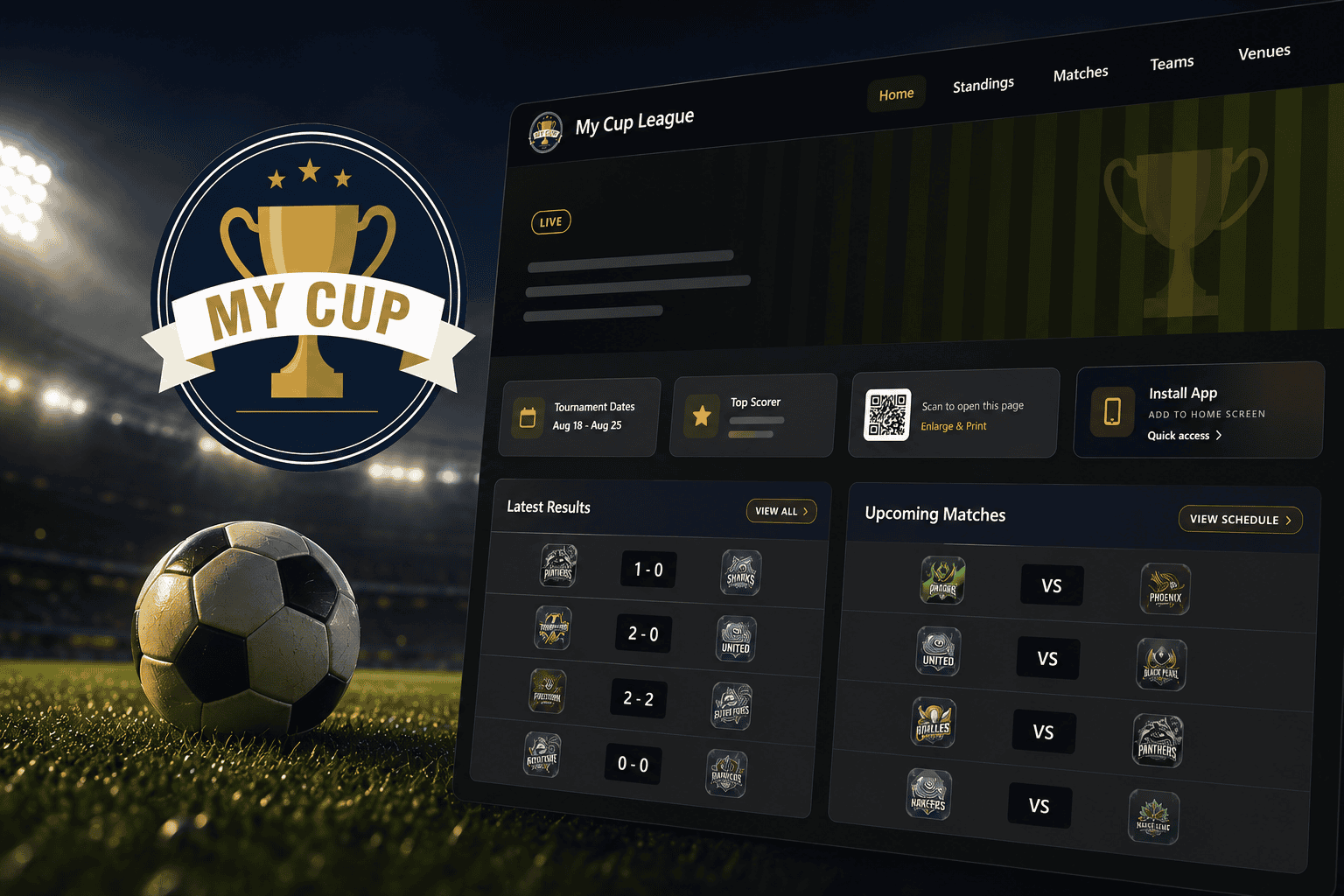
MyCup.me is an online tournament management platform designed for sports and esports organizers who want a faster, cleaner way to run competitions. Instead of building schedules manually or updating spreadsheets all day, you can organize everything in one place.
With MyCup.me, you can:
Create tournaments in minutes
Generate a round robin tournament bracket automatically
Add teams and participants easily
Track standings and match results live
Share a professional tournament website instantly
Manage both simple and advanced tournament structures
The platform supports more than 30 sports and esports titles, including football, basketball, volleyball, tennis, Counter-Strike, Dota 2, chess, and many others.
Whether you’re organizing a local league, school event, amateur cup, or esports competition, MyCup.me helps simplify scheduling, standings, and tournament management so you can focus on the event itself instead of administrative chaos.
Final Thoughts
So, what is a round robin tournament?
It’s a competition system where every participant competes against every other participant, creating a fair and balanced structure that rewards consistency over time.
The round robin tournament format is popular because it:
Guarantees multiple matches
Produces fairer rankings
Keeps participants engaged
Works well for leagues and group stages
Now that you understand how round robin work, what a round robin bracket looks like and how to organize a round robin tournament, you’ll be able to choose the right structure for your next event with confidence.
Whether you’re running a small local competition or a large esports league, the round robin system remains one of the most reliable tournament formats in sports.
FAQ
Is round robin better than elimination?
It depends on your goals.
Round robin is better for fairness and participation.
Elimination is better for shorter events.
Can a round robin tournament end in ties?
Yes. That’s why tournaments use tiebreak systems like:
Goal difference
Head-to-head record
Point differential
How many games are in a round robin tournament?
The formula is: n(n-1)/2
Where ( n ) is the number of participants.
What is the biggest downside of round robin?
The number of matches grows quickly as more teams are added.